It can be very difficult for any woman, regardless of her age, to recognize the symptoms of endometriosis. The disease often goes undiagnosed for years, only to be discovered when a patient experiences infertility or symptoms that have become very severe. The most common symptom of endometriosis is a pain in the lower abdomen, the pelvis, or the lower back, predominantly during menstrual cycles. However, the amount of pain a woman feels does not depend on how much endometriosis she may have. Some women experience no pain, even though their disease affects large areas. Others experience severe pain, despite having only a few small endometriosis growths.
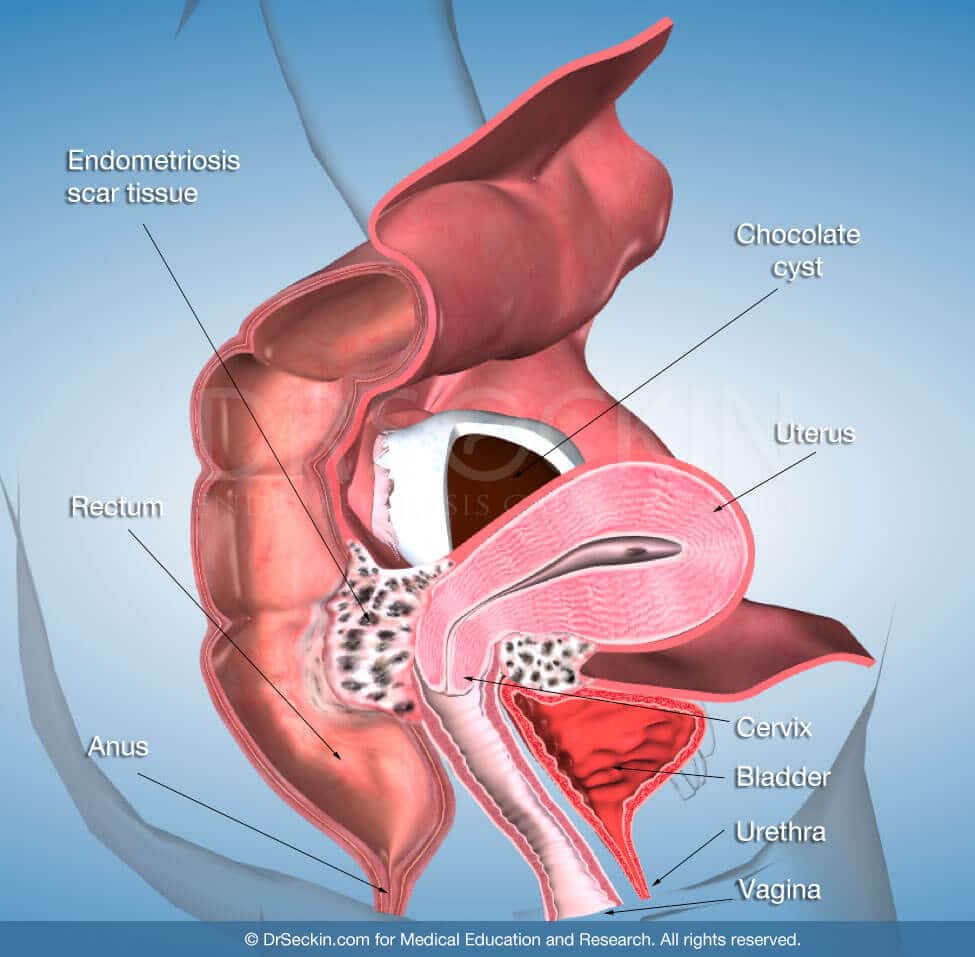
The six cardinal symptoms of endometriosis
1. Dysmenorrhea (painful periods)
Cramping during periods usually points to a uterine source while pain and aches point to the peritoneum and ligaments. Endometriosis pain does not disappear in one day. The duration of pain associated with endometriosis usually continues for over two days. But it can even persist after your period is over. Pain from endometriosis characteristically does not respond well to pain killers and birth control pills. Over three out of four women with endometriosis have a history of incredibly painful, crampy periods since their adolescence. Ovulation (that occurs on or around day 14 of the reproductive cycle) is often also very painful in patients with endometriosis. Once a patient goes through menopause, they still may experience non-menstrual pelvic pain.
Since pain is a subjective experience, the nature of its description varies from one individual to the other. Association with other symptoms, like frequent or painful bowel movements, gas around and during periods, constipation, and diarrhea, are common with cases of endometriosis. Therefore, the nature and duration of painful periods and their association with other symptoms are important in making clinical decisions and ruling out other pelvic disorders.
Get a Second Opinion
Our endometriosis specialists are dedicated to providing patients with expert care. Whether you have been diagnosed or are looking to find a doctor, they are ready to help.Our office is located on 872 Fifth Avenue New York, NY 10065.
You may call us at (212) 988-1444 or have your case reviewed by clicking here.
2. GI abnormalities
Another cardinal symptom of endometriosis is the gastrointestinal (GI) triad of bloatedness, gassiness, and cramps associated with or without diarrhea and constipation. Generally, these are more pronounced around menstruation.
3. Dyspareunia (painful sex) and painful orgasm
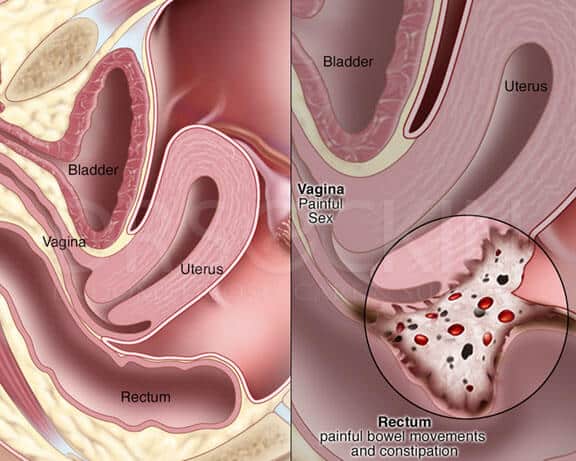
Painful sex, the fourth cardinal symptom, is at times positional and usually involves deep involvement of endometriosis in the rectovaginal septum and pelvic walls. This symptom often leads to intimacy issues, as intercourse starts to become unpleasable for a woman. If your partner suffers from endometriosis and is experiencing dyspareunia, it is important to be kind, supportive, and mindful of the endometriosis pain they very well may be experiencing.
4. Painful bowel movements
Painful bowel movement may point to endometriosis in the rectovaginal septum and pelvic lateral walls. Endometriosis patients are often misdiagnosed as having IBS when their symptoms are really being caused by endometriosis.
5. Neuropathy
The nerves may be directly involved or stimulated by surrounding pathology due to the swelling and scarring that changes the retroperitoneum (the space in the abdomen behind the peritoneum) as well as the direct involvement of the nerves. Symptoms naturally differ—from changes in sensory feelings to pain that radiates to the back, lumbosacral area, inner thigh, or along the track of the sciatica nerve — according to the varying location of the endometriosis lesions. Some of these patients find that they cannot comfortably cross their legs, and in some cases, the disease affects their walking and gait.
6. Infertility
The most frequent yet most elusive symptom of endometriosis is infertility, which is both the difficulty to conceive and the difficulty to carry a pregnancy to term. Due to its silent nature, we sometimes call infertility the “cardinal symptom 0” of endometriosis. Complex immunobiological factors at both the cellular and antibody levels play a role. Inflammatory toxins that arise because of endometrioma scar tissue do not allow the sperm and egg to join naturally. Endometriosis causes visible tubal dysmorphism and ovarian pathology in the form of micro-endometriomas and adhesions that serve as barriers to a successful pregnancy. Unable to get pregnant, many patients are unnecessarily treated with in-vitro fertilization treatments without their endometriosis ever being addressed.

Complete list of endometriosis symptoms
Not every woman experiences all of the following symptoms. However, if you are exhibiting any of these symptoms and think you may have endometriosis, please speak to your doctor.
- dysmenorrhea or painful menstrual cramps are often classified as “killer cramps” with pain that increases over time
- chronic or intermittent pelvic pain
- chronic pain in the lower back
- spotting or bleeding between menstrual cycle
- menorrhagia (heavy bleeding during the menstrual cycle)
- painful menstruation
- gastrointestinal pain and discomfort during the menstrual cycle
- bloating
- gassiness
- cramps
- diarrhea or constipation
- constipation or nausea during the menstrual cycle
- dyspareunia or pain during or after sex
- painful orgasm
- painful bowel movements or painful urination during the menstrual cycle
- rectal pain
- blood in urine
- urinary frequency, retention, or urgency
- urinary tract difficulties
- back pain
- endometriosis leg pain
- thigh pain
- miscarriage
- ectopic pregnancy
- fatigue
- aching
- constant discomfort
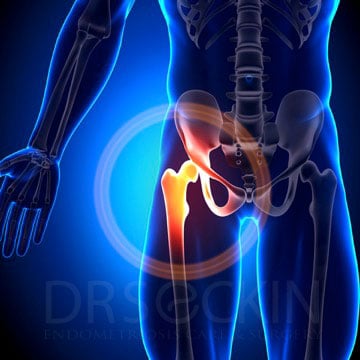
can often cause leg pain.
What to do if you have symptoms of endometriosis?
An endometriosis diagnosis is dependent on a physician evaluation, in which the patient’s medical history will be discussed and a pelvic exam will be conducted. The presence of the disease can only be confirmed by subsequent laparoscopy and pathology. However, you know your body best. If you feel that you have the aforementioned symptoms and that endometriosis may be the probable cause, you do not need to suffer. Consult with Seckin Endometriosis Center today.
Get a Second Opinion
Our endometriosis specialists are dedicated to providing patients with expert care. Whether you have been diagnosed or are looking to find a doctor, they are ready to help.Our office is located on 872 Fifth Avenue New York, NY 10065.
You may call us at (646) 960-3080 or have your case reviewed by clicking here.

Dr. Seckin is an endometriosis specialist and women’s reproductive health advocate. He has been in private practice for over 30 years at Lenox Hill Hospital with a team of highly skilled personnel.
Dr. Seckin specializes in advanced laparoscopic procedures and is recognized for his expertise in complex cases of deep infiltrating endometriosis of the pelvis. He is particularly dedicated to performing fertility-preserving surgeries on cases involving the ovaries.
He has developed patented surgical techniques, most notably the “Aqua Blue Excision” technique for a better visualization of endometriosis lesions. His surgical techniques are based on precision and microsurgery, emphasizing organ and fertility preservation, and adhesion and pain prevention.
Dr. Seckin is considered a pioneer and advocate in the field of endometriosis.