What Are Endo Attacks and How to Cope With Them
How to Cope With Them
The growth of endometrial-like tissue outside the uterus can lead to several debilitating symptoms such as pelvic pain, painful periods, painful sex, painful bowel movement, endo belly, neuropathy, and in some cases, even infertility. While these symptoms usually manifest during monthly periods, several factors can result in symptom flare-ups also called endo attacks at any time leading to extreme discomfort and reduced quality of life.
What is a symptom flare-up?
A flare-up is defined as a transient worsening of symptoms of an existing disease. A symptom flare-up can suddenly occur due to certain triggers and is usually an intense manifestation of the symptom(s) albeit one that eventually subsides after a short while.
What are endo attacks?
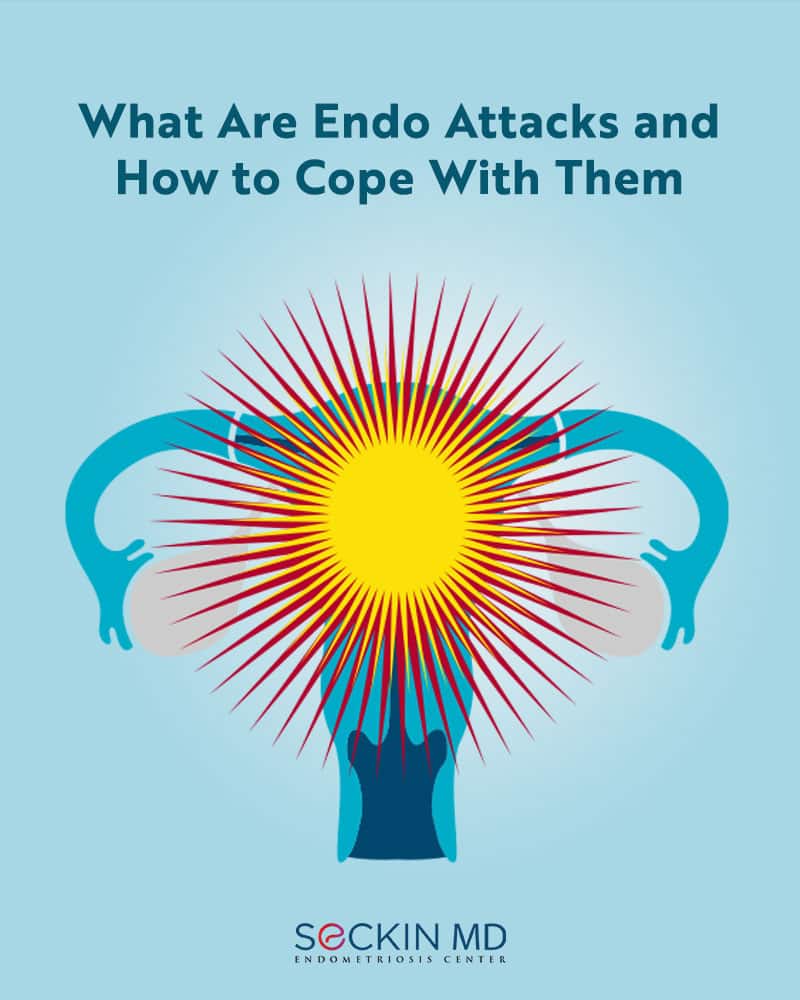
Endo attacks or endo flares are flare-ups of endometriosis symptoms. Pain is one of the most common symptoms of endometriosis, and it manifests excruciatingly during flare-ups.
Endometriosis pain usually occurs in the pelvic regions and in other regions where endometrial lesions reside. Endometriosis pain does not always correlate with disease severity thereby complicating diagnosis and treatment.
Endo attacks can also result in fatigue and brain fog that may not only impact your performance in your daily activities but can also result in personality changes that may adversely affect you and your relationships.
YouTuber Sinead Smythe posted a vlog about her endo attacks. She said:
“It literally feels like somebody is carving your insides out like a pumpkin with a knife that is on fire. It feels like there’s a cat trapped in your lower back and your lower abdominal trying to claw its way out. And it feels like there are fireworks exploding all over your body”.
“I am crying in this video whilst in my bedroom trying to breathe and deal with the pain.”
What causes endo attacks?
Endometriosis is an inflammatory disease in which the body’s immune system mounts a response to the extraneous endometrial-like tissue. High levels of estrogen and stress hormones and low levels of progesterone worsen this inflammation.
Common causes of endo attacks include stress, bad sleep, and pro-inflammatory foods such as caffeine, alcohol, and red meat.
How to cope with endo attacks?
The best way to cope with endo attacks is to find out what the potential triggers are and avoid them completely. The triggers for endo attacks and the intensity with which they occur vary from person to person. Some ways in which you may reduce sudden symptom flare-ups include:
- De-stressing and calming yourself by practicing yoga and meditation.
- Working on your emotional resilience to cope with your symptoms and achieve your life and career goals.
- Switching to an anti-inflammatory diet and keeping yourself well-hydrated at all times.
- Cultivating good sleep hygiene.
- Creating an exercise routine in consultation with your healthcare provider. However, bear in mind that high-intensity exercise can result in a potential flare-up of endometriosis symptoms. You can also consider recreational therapy to further develop physical, social, and cognitive skills.
What is the long-term solution?
While lifestyle changes described above may help in somewhat managing endo attacks, they do not provide lasting relief nor can they fully prevent the recurrence of such flares.
Avoiding endo attacks requires a long-term solution. Laparoscopic deep excision surgery is the gold standard treatment for endometriosis and could prevent the recurrence of endo attacks.
Dr. Seckin’s approach has proven to be invaluable for many women suffering from endometriosis. Together with the team of experts, Dr. Seckin is able to identify and remove all endometriosis lesions on a per-lesion basis no matter how deep they are, thus removing the root cause of the symptoms while also helping preserve fertility and anatomical integrity.
Are you experiencing endo attacks? If so, please share your experience and tips on how you cope on our post on Facebook or Instagram.
Get a Second Opinion
Our endometriosis specialists are dedicated to providing patients with expert care. Whether you have been diagnosed or are looking to find a doctor, they are ready to help.Our office is located on 872 Fifth Avenue New York, NY 10065.
You may call us at (646) 960-3080 or have your case reviewed by clicking here.