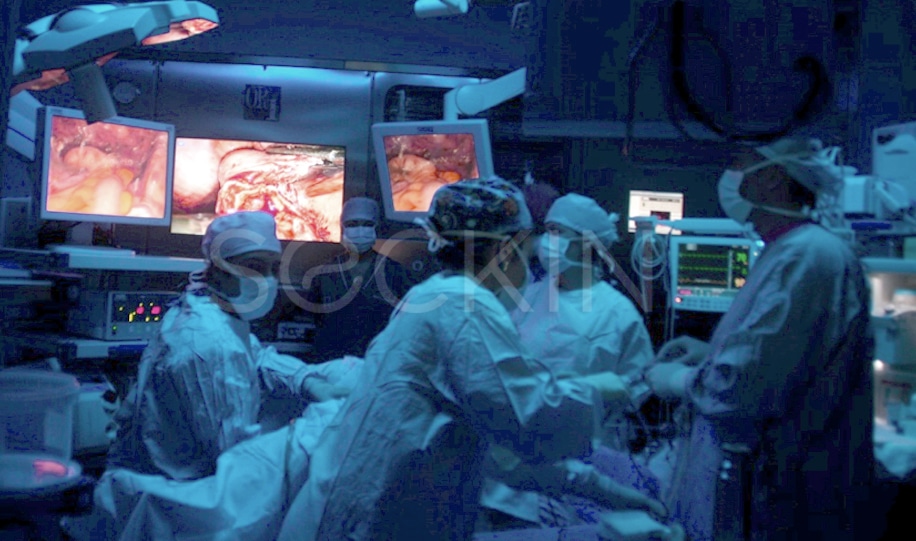
After Endometriosis Surgery

July 13, 2020 | by Tamer Seckin, MD

✓ Medically Reviewed By Serin Seckin, MD, FACOG Last Reviewed: July 13, 2020
endometriosis surgery, after endo surgery

After endometriosis surgery, patients usually experience pain relief, but full recovery may take several weeks depending on the procedure.

Common post-operative symptoms include fatigue, mild abdominal pain, bloating, and temporary changes in bowel or bladder habits. Most people can return to light activities within a few days, but complete healing (especially internally) can take 6 to 8 weeks. Pain management, rest, and hydration are crucial during recovery. Follow-up appointments ensure proper healing and help track symptom improvement.

Activity

  • Do not drive for at least 3 days after surgery.
  • Start walking around as soon as you get home. You may use stairs, but move slowly.
  • Wear loose, non-binding clothes.
  • You may shower the day after surgery. It is okay to use soap and water on your abdomen, but do not wash or scrub your incisions. After showering, gently blot incisions dry with a towel.
  • No douching, tampon application, tub baths, swimming, or sexual intercourse for 6 weeks after surgery.
  • Do not lift more than 10 pounds or engage in abdominal exercise of any sort for 6 weeks after surgery.

Diet

  • Stay on a clear liquid diet until you are able to pass gas. Hot liquids are especially beneficial
  • Avoid spicy foods the first 3 days after surgery
  • Avoid leafy vegetables, and fiber-heavy foods such as kale and beans
  • Eat simple, light meals
  • Hot tea is helpful for mobilizing the bowels and reducing gas pain

Incision Care

  • Remove the clear bandage and gauze from your belly-button 48 hours after your surgery. The other incisions will be covered by small strips of tape (“steri-strips”). The steri-strips will fall off on their own within 7 days, or they will be removed at your post-op visit in the office. If they have not fallen off after seven days, you can remove them yourself.
  • Keep your incisions clean and dry. If you prefer to, you may clean your belly button with hydrogen peroxide twice per day, but it is not necessary.
  • Do not apply any ointments or creams to your incisions.
  • There is no need to cover your incisions with band-aids.

Pain medication after endometriosis surgery

  • Toradol: 50 mg (instructions on the bottle)

OR

  • Advil (ibuprofen, Motrin): 600 mg every 6 hours around-the-clock for 5 days
  • DO NOTtake Toradol and Advil. Use one or the other

PLUS

  • Tylenol 1,000 mg every 6 hours around-the-clock for 5 days
  • Alternate Advil with Tylenol, so you will be taking some kind of pain medication every 3 hours

PLUS

  • Pyridium 200 mg (for bladder and UTI prevention)

Bowel Regime

  • The bowels can become “sleepy” after surgery, but it is very important that you do not become constipated.
  • Walking and moving around is the best way to get rid of gas pain and “wake up” the bowels.
  • Take Gas-X (simethicone) every 8 hours to help with gas pain.
  • Take a stool softener such as Colace 100mg (docusate sodium) twice per day.
  • Take a mild stimulant such as Senna 17.2 mg one to two times per day until you have regular bowel movements.
  • If you still have not had a bowel movement after 2-3 days of taking Colace and Senna, take 1 generous tablespoon of Miralax (polyethylene glycol 3350) daily.
  • If you still have not had a bowel movement after trying all three medications, you may need to give yourself a Fleet Enema. This can be bought over-the-counter at any drugstore. Follow the instructions on the bottle.

Pregnancy after endometriosis surgery

  • The best time to achieve pregnancy is immediately after endometriosis excision surgery
  • If you do not wish to become pregnant, you may be put on a low-dose oral contraceptive pill or a Mirena IUD, depending on your surgical findings

How Long Does Recovery Take After Endometriosis Surgery?

Wondering about endometriosis surgery recovery time? It really depends on the specific procedure you have. Knowing what to expect can help you prepare for a smoother healing journey.

Laparoscopy recovery: minimally invasive endometriosis surgery

For most people undergoing minimally invasive endometriosis surgery, like a laparoscopy, the good news is you can typically get back to light daily activities within 1 to 2 weeks. This might include short walks or light household tasks. However, don’t rush it! Full recovery from laparoscopic endometriosis surgery usually takes a bit longer, often 4 to 6 weeks, as your body needs time to fully heal internally.

Open surgery recovery: more extensive endometriosis procedures

If your endometriosis surgery requires an open procedure (which is less common for endometriosis but sometimes applied), the recovery period is generally longer. You can expect 6 to 8 weeks for full recovery. This is because open surgery involves a larger incision and more extensive healing.

Key tips for a smooth recovery

No matter the type of surgery, following your doctor’s advice is crucial for a smooth healing process. Here are some general tips:

  • Avoid heavy activities: This includes heavy lifting, intense exercise, and anything that puts a strain on your abdominal muscles. Your doctor will give you specific guidelines on when you can gradually reintroduce these activities.
  • Listen to your body: While some pain and discomfort after endometriosis surgery are normal and usually improve gradually, don’t push yourself. Rest is essential.
  • Manage pain effectively: Your doctor will likely prescribe pain medication to help manage discomfort during the initial recovery phase. Take it as directed.

By understanding the expected endometriosis surgery recovery timeline and following medical guidance, you can optimize your healing and get back to feeling like yourself.

What to expect during recovery?

After endometriosis surgery, most patients return to light activities within one to two weeks, though full internal healing typically takes four to six weeks. Your immediate recovery focuses on managing incision site pain and addressing bloating caused by the gas used during laparoscopy.

  • Rest: Prioritize sleep and avoid heavy lifting for at least twenty days.
  • Movement: Short, frequent walks help prevent blood clots and reduce shoulder pain from trapped gas.
  • Follow-up: Keep all appointments to discuss long-term hormone therapy or fertility plans with your surgeon.

Endometriosis surgery recovery tips

After endometriosis surgery, recovery improves significantly with proper care, consistent follow-up, and lifestyle adjustments. The key points below support both fast healing and long-term comfort.

1) First week: Pain management and rest

Mild to moderate pain is normal during the first few days. Taking prescribed pain medications regularly helps the body recover faster. With laparoscopic surgery, most patients return to daily activities within 7–14 days.

2) Incision care and infection prevention

Keeping incisions dry and following dressing instructions is essential. Redness, unusual odor, or increasing pain may indicate infection and should be reported to your doctor immediately.

3) Nutrition and bowel movements

Constipation is common after surgery. Drinking plenty of water, eating fiber-rich foods, and taking light walks help regulate bowel movements. Your doctor may recommend a mild laxative if needed.

4) Activity and exercise

Avoid heavy lifting and intense exercise for the first two weeks. Walking improves blood circulation and supports healing. Sexual activity is usually recommended after 4–6 weeks, but your doctor should confirm the timing.

5) Hormonal treatments

Some patients begin birth control pills, progesterone therapy, or hormone-suppressing medications after surgery to reduce the risk of recurrence. This step plays a critical role in long-term success.

Normal Post-Surgical Symptoms after endometriosis surgery

The following are post-surgical symptoms that are normal and can arise within the first few days of surgery. If any of these complaints last longer than specified below, please contact us.

  • Light vaginal bleeding
    • It is normal to have some spotting or light vaginal bleeding (generally nothing heavier than a period) for up to 2-3 weeks after surgery
    • Heavy bleeding (soaking through a pad every 30-60 minutes) is not normal and you should call the office to speak with Dr. Seckin
  • Abdominal tenderness, usually lasting 1-3 days after surgery.
  • Lack of bowel movement should last no more than 72 hours after surgery. If it lasts longer than 72 hours please contact us.
  • Shoulder pain, usually lasting 24-48 hours after surgery
  • For post supracervical hysterectomy (uterus removed, cervix retained) procedures it is not uncommon to experience some spotting/light bleeding around the time of your period.

You should contact us if:

  • You experience severe pain or abnormal symptoms
  • You develop vaginal bleeding heavier than a menstrual period, persistent nausea, fever, vomiting, or increasing pain not relieved by your medication
  • Your temperature is greater than 100.4F
  • You have any additional questions or concerns
  • In case of a medical emergency, please call 911

If you are experiencing severe pain of any kind, please call the office at (212) 988-1444 and we will put you into contact with Dr. Seckin

FAQs

After endometriosis surgery can i get pregnant?

Yes, you can get pregnant after endometriosis surgery, and fertility often improves following treatment.
Endometriosis surgery removes scar tissue and lesions that may block the fallopian tubes or affect the ovaries. This can increase natural conception chances, especially in mild to moderate cases. Many women conceive within 6 to 12 months after laparoscopic surgery. However, fertility depends on age, ovarian reserve, and the severity of endometriosis. In advanced cases, assisted reproductive techniques like IVF may be recommended.

After endometriosis surgery can it come back?

Yes, endometriosis can come back after surgery, especially without hormonal or long-term follow-up treatment. Surgery removes visible endometriosis lesions, scar tissue, and cysts, but it cannot always prevent microscopic disease from recurring. Recurrence rates vary depending on age, severity, and whether hormonal therapy is used after surgery. Studies show symptoms may return within five years in some patients. Taking prescribed hormonal treatments, maintaining a healthy lifestyle, and attending regular check-ups can help reduce recurrence risk.

How long after endometriosis surgery can i have intercourse?

You can usually have intercourse about 2 to 6 weeks after endometriosis surgery, depending on healing and your doctor’s advice.

The exact timeline depends on the extent of the surgery and individual recovery. For minimally invasive procedures like laparoscopy, most patients can resume sexual activity within 2 to 3 weeks. If the surgery involved deeper excisions or organ repairs, waiting 4 to 6 weeks may be necessary.

How long does it take to heal internally after endometriosis surgery?

It generally takes six to eight weeks for internal tissues to fully heal after endometriosis surgery. Although your outer incisions may look recovered in two weeks, deep tissue repair requires significantly more time. The exact timeline depends heavily on the severity of the disease and the surgical method used. Extensive excision cases often need up to three months for complete internal restoration. You must limit strenuous activities during this invisible healing phase to avoid complications. Rushing your physical recovery can increase inflammation or delay the final benefits of the procedure.

What can’t you do after endometriosis surgery?

You must avoid heavy lifting, driving, swimming, and sexual intercourse immediately following endometriosis surgery. We typically restrict lifting anything over 10 pounds for at least four weeks to prevent abdominal strain. Driving is strictly prohibited while you are still taking prescription narcotic pain medication. You should also avoid soaking in baths or swimming pools until your incisions fully heal to stop infection. Pelvic rest is essential, meaning no intercourse or tampons are allowed for roughly six weeks.

How long after endometriosis surgery do you get your period?

Most women get their first period four to six weeks after endometriosis surgery. However, this specific timeline depends on where you were in your cycle during the procedure. If the operation occurred just before your scheduled date, bleeding might start much sooner than expected. You should prepare for this initial flow to be heavier and more painful than usual. Internal healing often temporarily intensifies cramping and may cause you to pass small blood clots.

Get a Second Opinion

Our endometriosis specialists are dedicated to providing patients with expert care. Whether you have been diagnosed or are looking to find a doctor, they are ready to help.

Our office is located on 872 Fifth Avenue New York, NY 10065.
You may call us at (646) 960-3080 or have your case reviewed by clicking here.